Types Of Bark For Landscaping That Will Enhance Your Yard
Title: Types of Bark for Landscaping That Will Enhance Your Yard
Introduction:
Bark mulch is a popular landscaping material that can add beauty, functionality, and value to your yard. It comes in a variety of types, each with its own unique benefits. In this blog post, we will discuss the different types of bark mulch available, as well as their pros and cons. We will also provide some tips on how to choose the right bark mulch for your needs.
Main Content:
Here are some of the most common types of bark mulch:
- Pine bark mulch: This is the most popular type of bark mulch. It is relatively inexpensive and easy to find. Pine bark mulch is also a good choice for suppressing weeds, as it has a thick, fibrous texture that prevents sunlight from reaching the soil. However, pine bark mulch can break down quickly, so it may need to be replenished more often than other types of bark mulch.
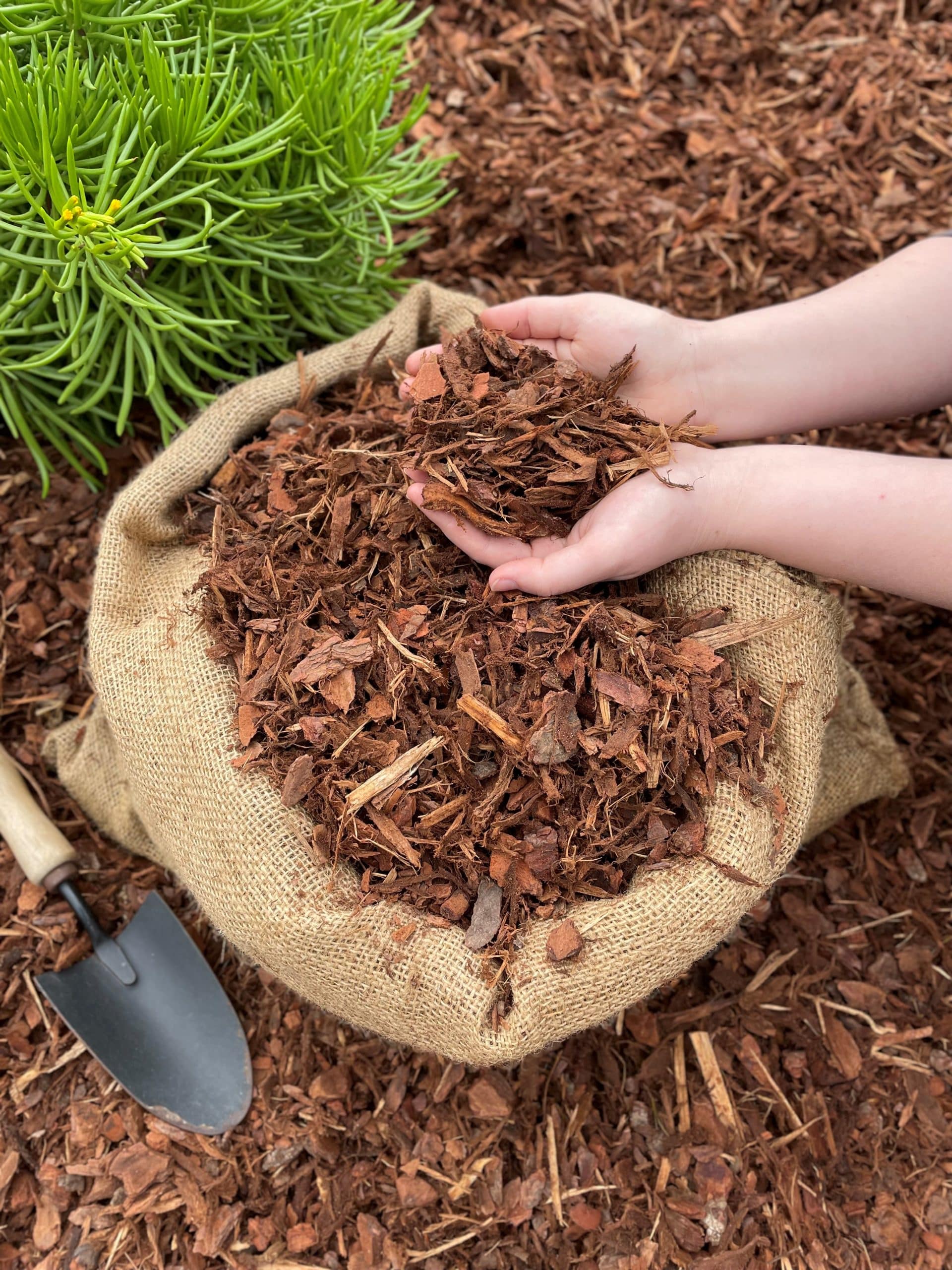
- Cedar bark mulch: Cedar bark mulch is another popular option. It has a strong, pleasant scent that can help to repel pests, such as mosquitoes and ants. Cedar bark mulch is also rot-resistant, so it can last for several years. However, cedar bark mulch can be more expensive than pine bark mulch.

- Hemlock bark mulch: Hemlock bark mulch is a good choice for gardens with a lot of foot traffic. It is dense and durable, so it is less likely to compact or wash away. Hemlock bark mulch also has a natural insecticidal property, which can help to keep pests away. However, hemlock bark mulch can be more expensive than other types of bark mulch.
- Eucalyptus bark mulch: Eucalyptus bark mulch is a unique option that has a bright green color. It is also a good choice for suppressing weeds, as it has a high concentration of tannins. Eucalyptus bark mulch is also rot-resistant and can last for several years. However, eucalyptus bark mulch can be more expensive than other types of bark mulch.
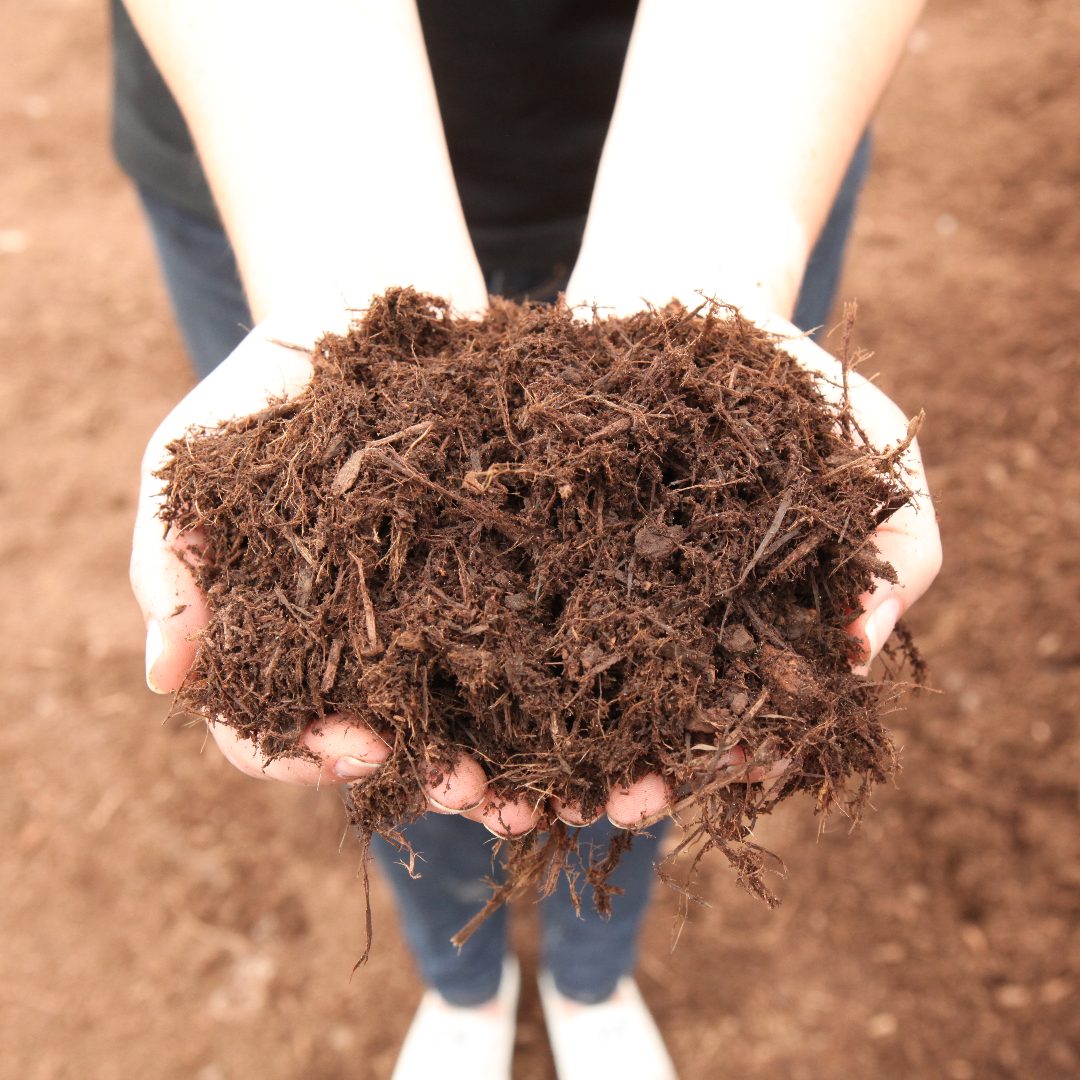
- Hardwood bark mulch: Hardwood bark mulch is made from a variety of hardwood trees, such as oak, maple, and ash. It is a good choice for gardens with a lot of color. Hardwood bark mulch also has a long lifespan and can help to improve the drainage of your soil. However, hardwood bark mulch can be more expensive than other types of bark mulch.


Conclusion:
When choosing bark mulch for your yard, there are a few factors to consider, such as the type of plants you have, the amount of foot traffic, and your budget. If you are unsure which type of bark mulch is right for you, consult with a local nursery or landscaper.
There are many different types of bark that can be used for landscaping. Some of the most popular types include pine bark, cedar bark, hemlock bark, and hardwood bark. Each type of bark has its own unique benefits and drawbacks. For example, pine bark is a good choice for areas with high foot traffic, as it is durable and resists matting down. Cedar bark is a natural insect repellent, making it a good choice for gardens with fruit trees or vegetables. Hemlock bark is a beautiful and long-lasting type of bark that can add a touch of elegance to any landscape. Hardwood bark is a good choice for areas with sandy soil, as it helps to improve drainage.
To learn more about the different types of bark for landscaping, visit Home Gardening. Home Gardening is a leading provider of bark mulch and other landscaping materials. They have a team of experts who can help you choose the right type of bark for your needs.
FAQ of types of bark for landscaping
- What are the different types of bark used for landscaping?
There are many different types of bark used for landscaping, each with its own unique properties and benefits. Some of the most common types include:
* Pine bark mulch: This is one of the most popular types of bark mulch, as it is relatively inexpensive and easy to find. Pine bark mulch is also a good choice for areas with high foot traffic, as it is durable and resists compaction.
* Cedar bark mulch: Cedar bark mulch has a natural insect repellent property, making it a good choice for gardens with fruit trees or vegetables. It is also a good choice for areas with sandy soil, as it helps to improve drainage.
* Hardwood bark mulch: Hardwood bark mulch is made from trees such as oak, maple, and hickory. It is a more expensive option than pine bark mulch, but it also lasts longer and has a more natural appearance.
* Eucalyptus bark mulch: Eucalyptus bark mulch has a strong, citrusy scent that can deter pests. It is also a good choice for areas with clay soil, as it helps to improve drainage.
* Cypress bark mulch: Cypress bark mulch is a good choice for areas with high winds, as it is relatively heavy and does not blow away easily. It is also a good choice for areas with alkaline soil, as it helps to lower the pH.
- What are the benefits of using bark mulch in landscaping?
Bark mulch offers a number of benefits for landscaping, including:
* Retains moisture: Bark mulch helps to retain moisture in the soil, which can help to reduce water evaporation and prevent plant stress.
* Suppresses weeds: Bark mulch can help to suppress weed growth by blocking out sunlight.
* Improves soil aeration: Bark mulch helps to improve soil aeration by providing a loose, porous layer that allows air and water to circulate freely.
* Attracts beneficial insects: Bark mulch can attract beneficial insects such as ladybugs and spiders, which can help to control pests.
* Improves the appearance of your landscape: Bark mulch can add color and texture to your landscape, and it can also help to define and unify different areas of your yard.
- How much bark mulch should I use?
The amount of bark mulch you need will depend on the size of the area you are mulching. As a general rule of thumb, you will need about 2-4 inches of bark mulch.
- How often should I reapply bark mulch?
You will need to reapply bark mulch every year or two, depending on the type of bark mulch you use and the amount of foot traffic in the area.
- What are some tips for using bark mulch?
Here are a few tips for using bark mulch:
* Spread the bark mulch evenly over the area you are mulching.
* Avoid piling the bark mulch too high, as this can block out sunlight and prevent plant growth.
* Water the bark mulch after spreading it to help it settle in.
* Reapply the bark mulch as needed, especially if it is damaged by foot traffic or weather.

Post a Comment for " Types Of Bark For Landscaping That Will Enhance Your Yard"